
The Nature of Chance in Gambling
In the world of gambling, chance plays a pivotal role in determining outcomes. When players enter a casino, they encounter a variety of games that rely heavily on random number generation and chance. This inherent unpredictability means that, regardless of how skilled a player may be, the outcome of many casino games ultimately hinges on luck. For instance, in games like slot machines or roulette, players have minimal control over their results, illustrating the dominance of luck over skill. Interestingly, many enjoy exploring casinos sister sites to find similar thrilling experiences, contributing to an exhilarating atmosphere where fortune is the key player.
Moreover, understanding the odds of various games can shed light on the extent to which luck prevails. In blackjack, while a player’s strategy can influence their probability of success, the draw of the cards is fundamentally random. A highly skilled player can make calculated decisions, but they may still lose to an opponent who benefits from an extraordinary hand, showcasing that luck can easily overshadow skillful play. This randomness is part of what entices players back to casinos, as the sheer unpredictability can often be more appealing than a straightforward battle of wits.
Additionally, the variance in luck can lead to diverse experiences within the same gaming environment. Two players can engage with the same game, apply similar strategies, and yet one may emerge victorious due to a series of fortunate outcomes. This phenomenon reinforces the idea that, despite the strategies implemented, the impact of luck can often eclipse skill, making every gaming session an unpredictable adventure filled with potential surprises.
The Role of Skill in Casino Games
While many aspects of gambling hinge on luck, skill does hold significance in certain games, particularly those that require strategy and decision-making. Games like poker and blackjack allow players to employ skillful strategies to enhance their chances of winning. Experienced players can make decisions based on probability, psychology, and an understanding of their opponents, arguably giving them an edge over less experienced gamers. However, this raises an important question—does skill truly outweigh luck in these scenarios, or does luck serve as an omnipresent factor that can disrupt even the most calculated strategies?
In poker, for instance, a skilled player may utilize their understanding of betting patterns and player psychology to make informed decisions. However, a single bad beat can dramatically turn the tide of the game, showcasing how luck can derail even the best-laid plans. Despite the advantage that skillful play offers, unpredictable hands can result in losses, affirming that while strategy can enhance one’s odds, it does not guarantee victory. This intricate dance between skill and luck is what makes games like poker both challenging and exhilarating.
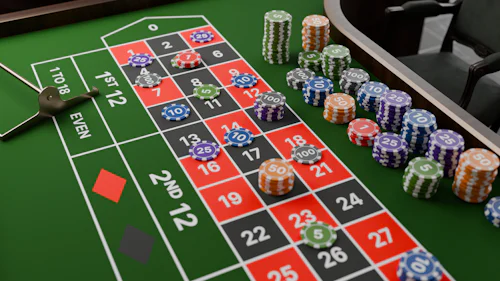
Furthermore, the distinction in games indicates that while some rely heavily on skill, the element of luck is never completely eliminated. Players can develop skills over time, mastering strategies and honing their techniques, but the nature of casino games ensures that luck will always play a critical role. In essence, while skill can enhance performance and maximize winning opportunities, it cannot completely eradicate the chance factor that permeates the landscape of casino gaming.
Psychological Factors in Gambling
Luck and skill also intertwine with the psychological aspects of gambling. The belief in luck can significantly shape a player’s overall experience and decision-making process. Gamblers often attribute wins or losses to good or bad luck, which can impact their approach to the game. This cognitive bias can lead to overconfidence during winning streaks, where players might believe they are on a lucky streak, or despair during losing periods, where they feel cursed by misfortune. Such perceptions can skew their understanding of how much skill versus luck influences their gambling outcomes.
Moreover, the concept of “luck” is often romanticized within gambling culture. Many players are lured by the allure of hitting a lucky jackpot or experiencing an unexpected win, which can overshadow the analytical aspects of skill-based games. This psychological tendency can lead players to make irrational decisions, often relying on gut feelings rather than strategic thinking. The thrill derived from chance can sometimes be more satisfying than the disciplined approach of skill, consistently reinforcing the importance of luck throughout the gambling experience.
Adding to this complexity is the social nature of many casino games, such as poker, where players compete against one another. The luck of the draw can create a dynamic atmosphere, where skill is put to the test but is frequently interrupted by the whims of fortune. This interplay creates an environment where success is as much about managing perceptions of luck as it is about honing personal skills, leading to a richly textured gambling experience that captivates participants.
The House Edge and Odds
An essential aspect of understanding why luck matters more than skill in casinos lies within the concept of the house edge. This principle refers to the mathematical advantage that the casino holds over players in any given game. While skilled players may reduce the house edge in some games, such as blackjack, the reality remains that the game will always favor the casino in the long run, emphasizing the significance of luck in the overall gambling experience. The house edge creates a scenario where luck becomes a focal point, often overshadowing even the most skilled players.

Furthermore, the inherent randomness of games is meticulously designed to ensure that luck remains a prevailing factor. In many slot machines, for example, the random number generator determines outcomes with no correlation to a player’s skill or strategy. Each spin is a fresh opportunity dictated solely by chance. Understanding this can empower players to recognize that, despite their abilities, they are often at the mercy of luck when participating in any casino game. This realization can shape a player’s mindset, encouraging them to approach gaming with a blend of hope and caution.
Ultimately, the structure of casino games is intricately designed to ensure that luck remains a dominant force. Even seasoned players must acknowledge that luck will play a significant role in determining their success. By comprehending the impact of the house edge and the randomness of game outcomes, players can appreciate the unpredictable nature of casinos, where their skills may provide an advantage but cannot eliminate the chance element that is central to the gaming experience. This understanding can lead to a more balanced approach to gambling, allowing players to enjoy the thrill while respecting the role of luck.
Exploring Gaming Websites and Their Offerings
The modern gambling landscape has evolved significantly with the rise of online gaming platforms. These websites offer players a chance to experience the thrill of casinos from the comfort of their homes. Many of these platforms incorporate elements of luck and skill across various games, providing players with a wide array of choices. While the nature of each game varies, the importance of luck remains a central theme throughout these online experiences, reflecting the same dynamics found in physical casinos.
Furthermore, online gaming sites often feature numerous promotions and incentives that amplify the gaming experience. Many of these promotions are designed to attract players by emphasizing potential wins, tapping into the allure of luck. Whether it’s free spins, deposit bonuses, or loyalty rewards, the appeal of hitting it big based on a stroke of luck is frequently highlighted. This marketing strategy reinforces the notion that luck plays a critical role in the world of gambling, enticing players to take the plunge into various games.
As players explore these websites, it’s crucial they understand the blend of chance and skill that defines their gaming experience. While these platforms may provide opportunities for skillful play, they are also arenas where luck often reigns supreme. This duality forms a compelling narrative in the gambling industry, where the next big win could occur at any moment, driven solely by sheer luck—a testament to the excitement and unpredictability that keeps players engaged. Embracing both elements can lead to a more enriching gambling journey, blending the thrill of unpredictability with the satisfaction of skillful play.
